Skip to content
Nkoyo Esu ToyoVision. Stewardship. Accountability.

Vision & Values

An intentional approach to leadership

Good governance is not accidental. Intentional governance means deliberately identifying problems, designing solutions, allocating resources according to priorities, measuring outcomes and remaining accountable to citizens.

Background photograph: Obudu Mountain Resort, Obanliku · Photo: Ei'eke, CC BY-SA 4.0

It rejects government by improvisation, patronage or political convenience. Instead, it asks:

  1. What problem are we solving?
  2. Who benefits?
  3. What resources are required?
  4. How will success be measured?
  5. How will citizens hold government accountable?

The 4Cs

Capacity.Competence.Character.Compassion.

The signature pillars of Nkoyo Toyo's personal political identity.

  1. Capacity

    Leadership requires the intellectual, technical, institutional and managerial ability to govern effectively. Experience must provide more than titles; it should create an understanding of institutions, people, policy and how government actually works.

  2. Competence

    Vision must eventually become execution. Competence means turning ideas into plans, plans into functioning institutions and programmes, and programmes into measurable outcomes.

  3. Character

    Public office is a trust. Character requires integrity, responsibility, truthfulness and the willingness to put public interest above personal convenience.

  4. Compassion

    Government ultimately deals with human beings. Policies, budgets and institutions must never lose sight of the farmer, trader, child, student, worker, entrepreneur, elderly citizen, person with a disability or struggling family affected by government decisions.

Leadership requires all four.

The Agenda

An intentional Cross River

A state that sees, serves and empowers its people. Five strategic pillars that define a vision for governance.

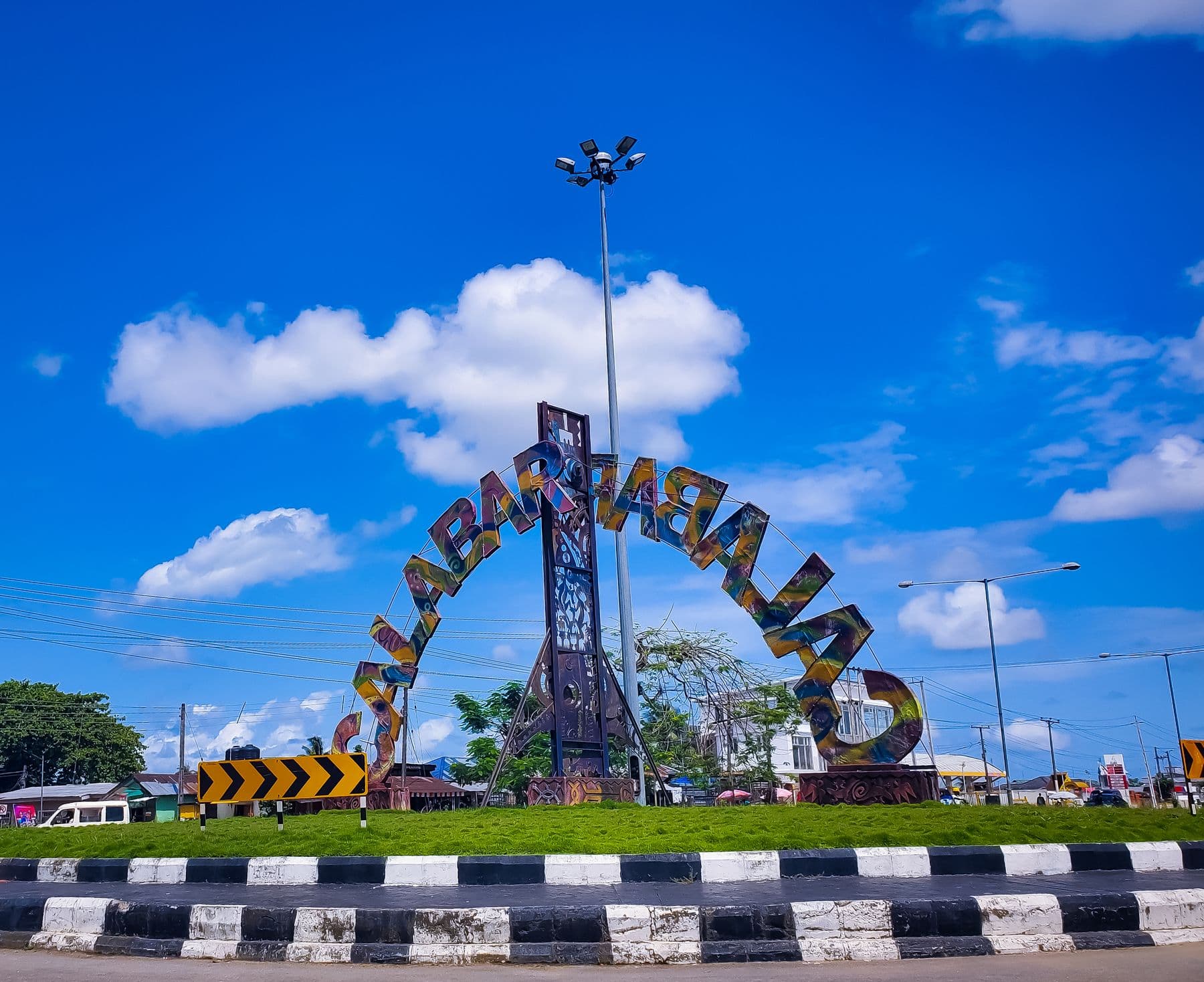
The Calabar Calabar roundabout monument, the city's name arched in bright letters
Calabar Calabar roundaboutCalabar · Photo: Gifted Bitor, CC BY-SA 4.0
Pillar 01

Citizen-Centred Governance

Government exists for citizens.

Citizens should not merely be recipients of government decisions. Communities should participate in identifying needs, shaping priorities and evaluating results.

  • Accessible government
  • Meaningful consultation
  • Responsive institutions
  • Public expenditure connected to identifiable public needs
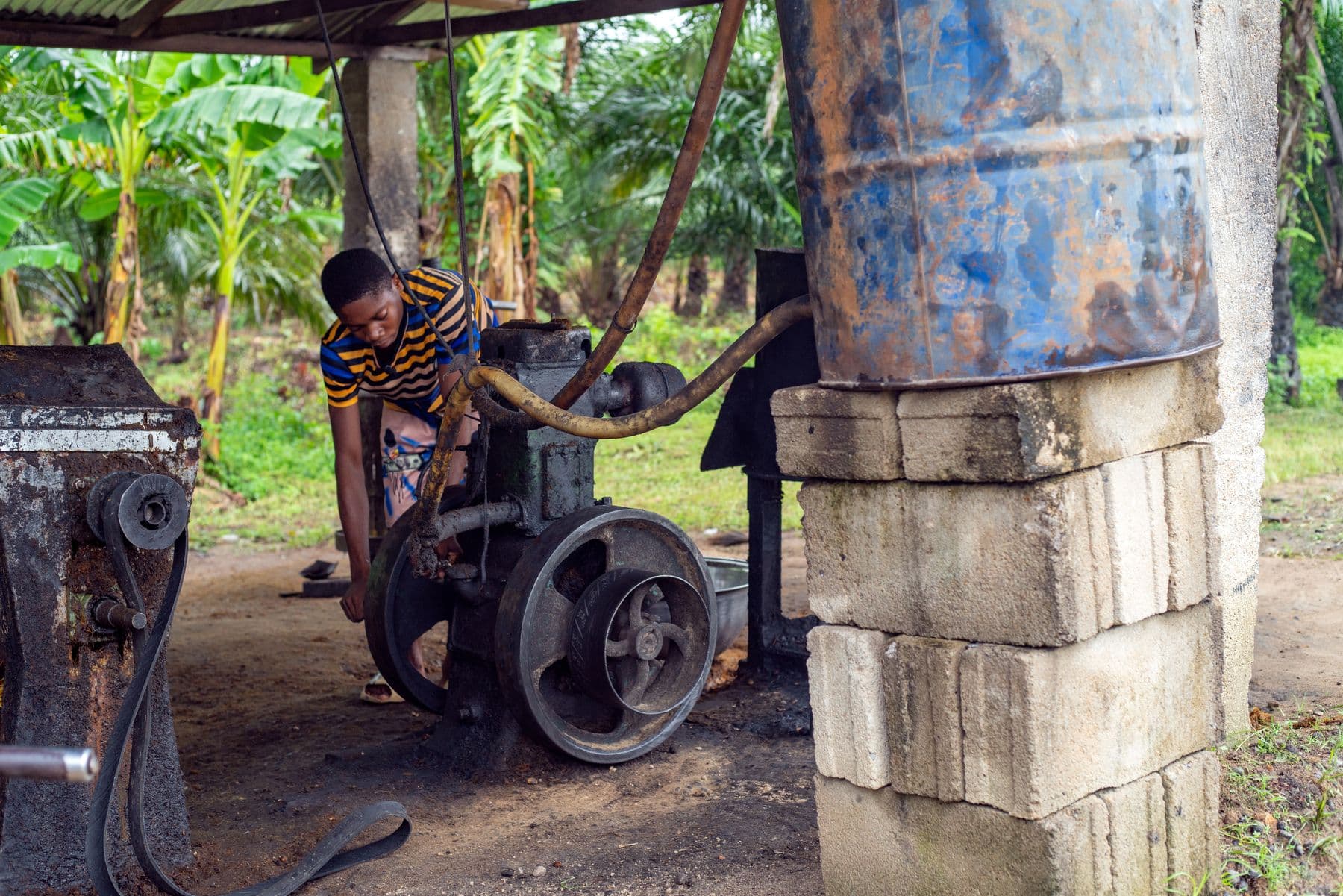
A young man operating a palm oil processing machine
Palm oil processingYakurr · Photo: Otomeonoge, CC BY-SA 4.0
Pillar 02

Youth & Economic Opportunity

Cross River's young population is an economic asset.

The objective is not merely employment by government but creating an environment in which businesses can emerge, investment can grow and young people can build sustainable livelihoods.

  • Agriculture · Tourism · Technology
  • Creative industries · Trade
  • Entrepreneurship · Skills development
  • Sustainable livelihoods
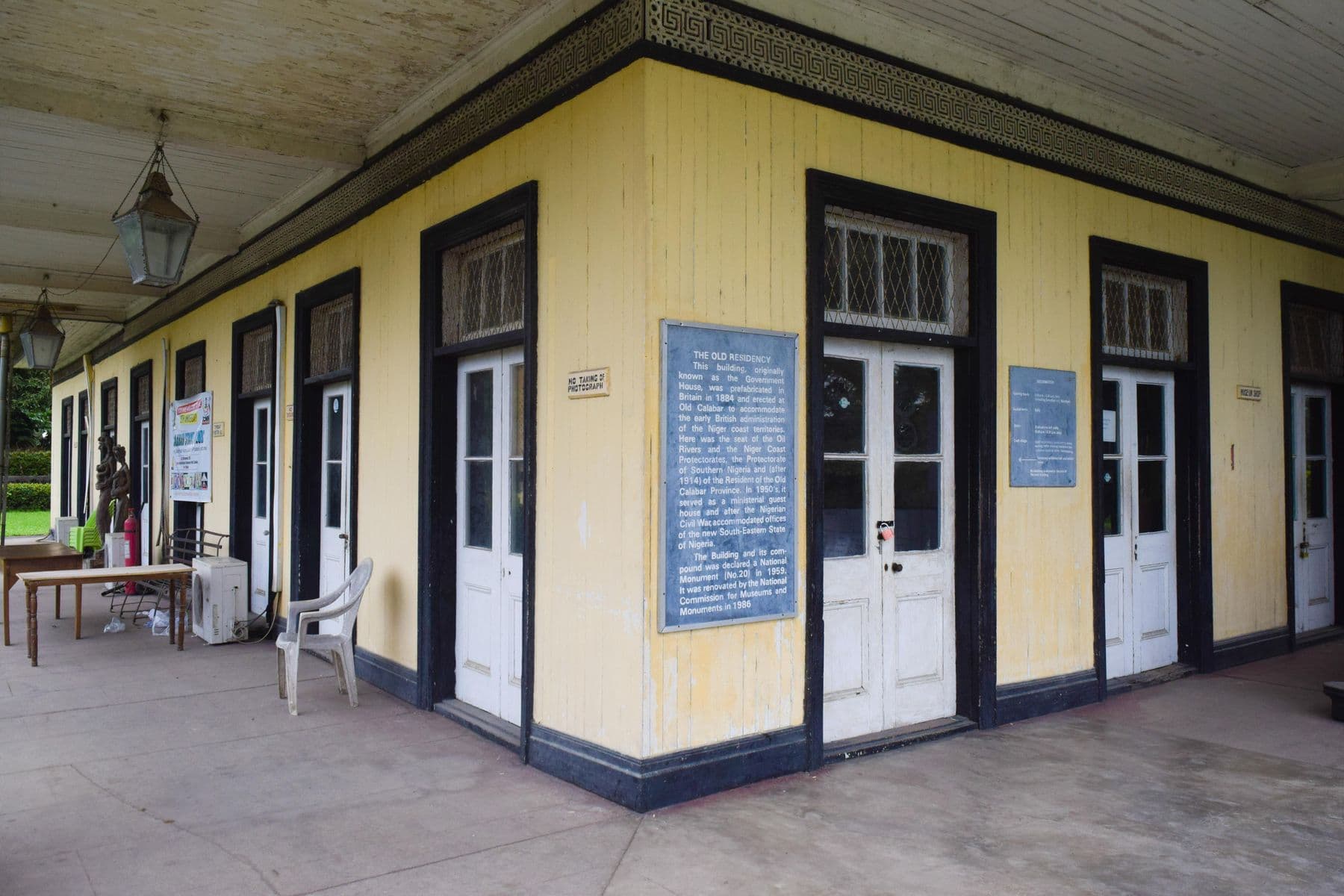
Veranda of the colonial-era Old Residency, now the National Museum in Calabar
Old Residency, National MuseumCalabar · Photo: Ei'eke, CC BY-SA 4.0
Pillar 03

Good Governance, Transparency & Integrity

Citizens should understand what their government does with public resources.

The vision includes open government, transparent budgeting and procurement, stronger institutions, measurable government performance and greater citizen access to public information.

  • Open government
  • Transparent budgeting & procurement
  • Stronger institutions
  • Citizens' Accountability Portal
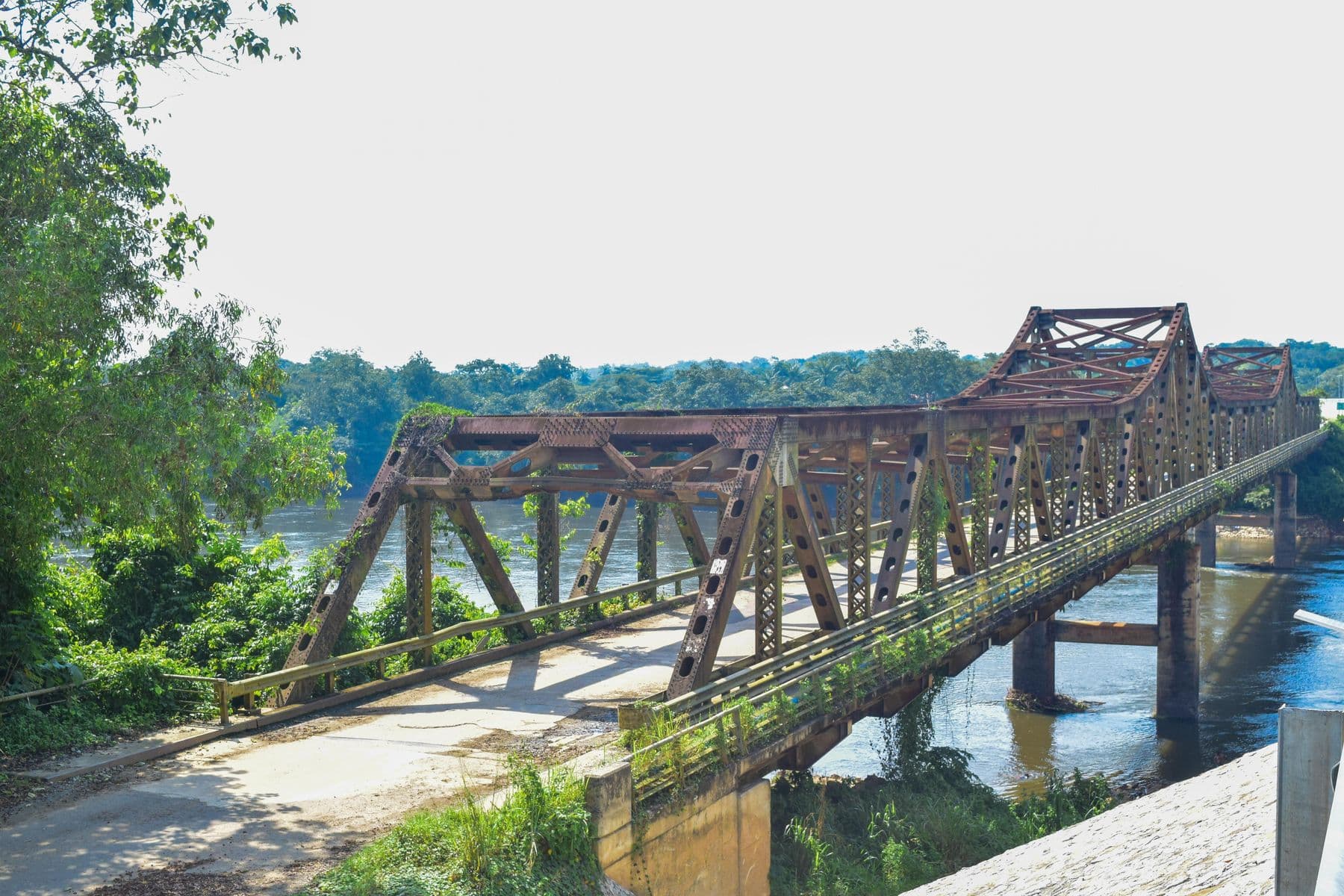
The old steel truss bridge spanning the Cross River
The old bridge over the Cross RiverIkom · Photo: Ei'eke, CC BY-SA 4.0
Pillar 04

Connectivity

Connecting Cross River to Nigeria, Africa and the world.

Cross River occupies an important geographic position, with connections to Cameroon, the Atlantic economy and wider regional markets. Ambassador Toyo's diplomatic and African Union experience fits naturally into this pillar.

  • Trade · Technology · Diaspora networks
  • Investment · Development finance
  • Regional cooperation
  • International partnerships
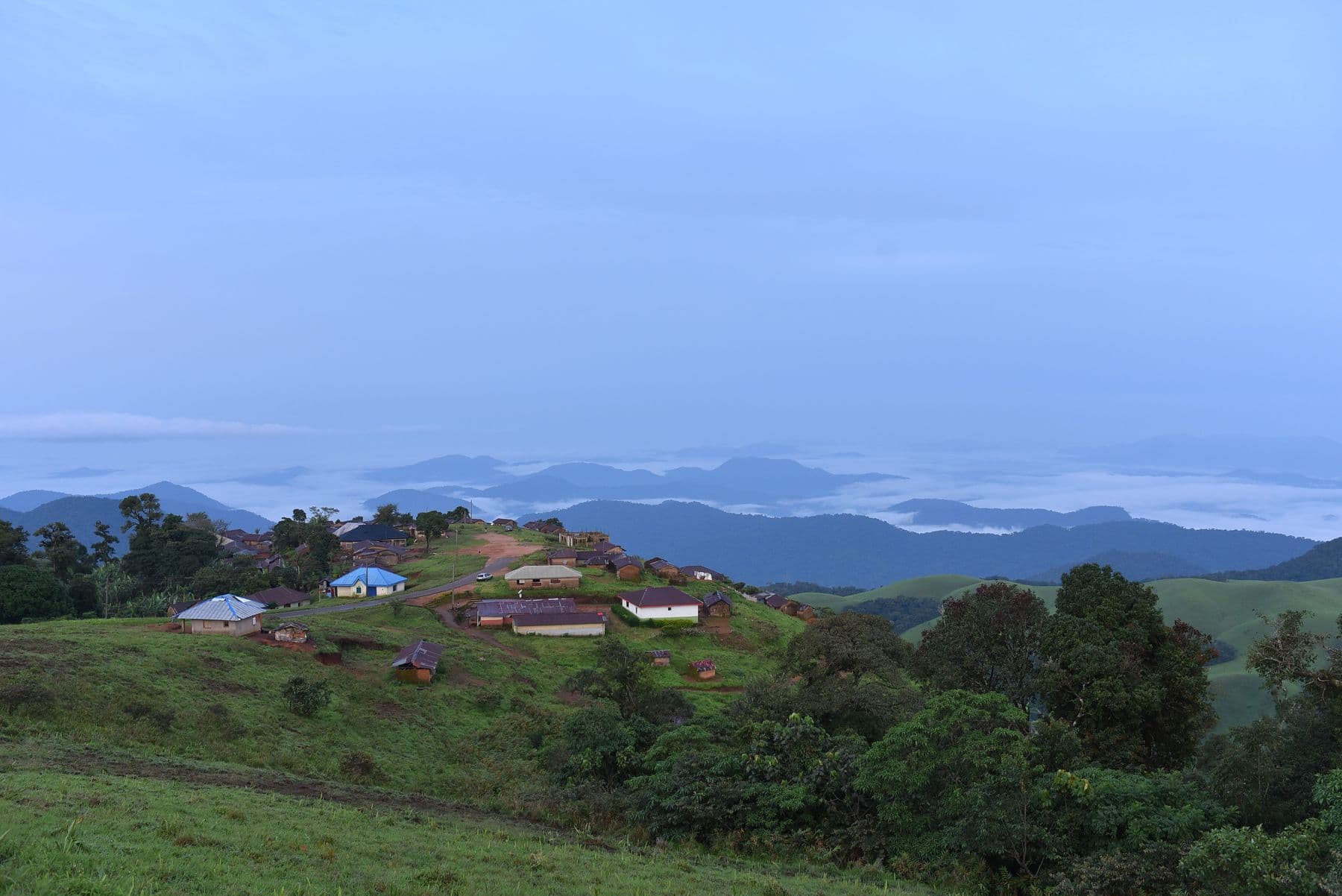
A hilltop settlement on the Obudu Plateau above a sea of morning cloud
Early morning on the Obudu PlateauObanliku · Photo: Laminartosin, CC BY-SA 4.0
Pillar 05

Inclusive Development

Development should reach beyond major urban centres.

Women, young people, rural communities, persons with disabilities, elderly citizens and historically underserved communities must be considered in the design of government programmes.

  • No community should become invisible
  • Rural inclusion
  • Persons with disabilities
  • Historically underserved communities

Youth & Opportunity

Cross River's young population is an economic asset

The objective is not merely employment by government but creating an environment in which businesses can emerge, investment can grow and young people can build sustainable livelihoods.

A lantern monument silhouetted against an orange sunset
University of Calabar roundabout at sunset, Calabar · Photo: Victor Eyo, CC BY-SA 4.0
  • Jobs & entrepreneurship

    Building sustainable livelihoods and an environment where businesses can emerge.

  • Technology & innovation

    The Digital Innovation Hub and broadband expansion for a connected generation.

  • Skills & vocational education

    Practical skills that prepare young people for real-world opportunity.

  • Creative economy

    Cross River as a home for creative industries and cultural production.

  • Agriculture & agribusiness

    From subsistence to enterprise — agriculture as a path to prosperity.

  • Leadership & civic participation

    Young people as active participants in governance and community.

Engage

Be part of the conversation

Stay connected. Volunteer. Attend an event. Join the campaign. Receive updates. This is your space to engage.

Receive updates

Get the latest speeches, policy papers and campaign news delivered to your inbox.